A Hidden Driver of Indoor Mold Growth
Introduction
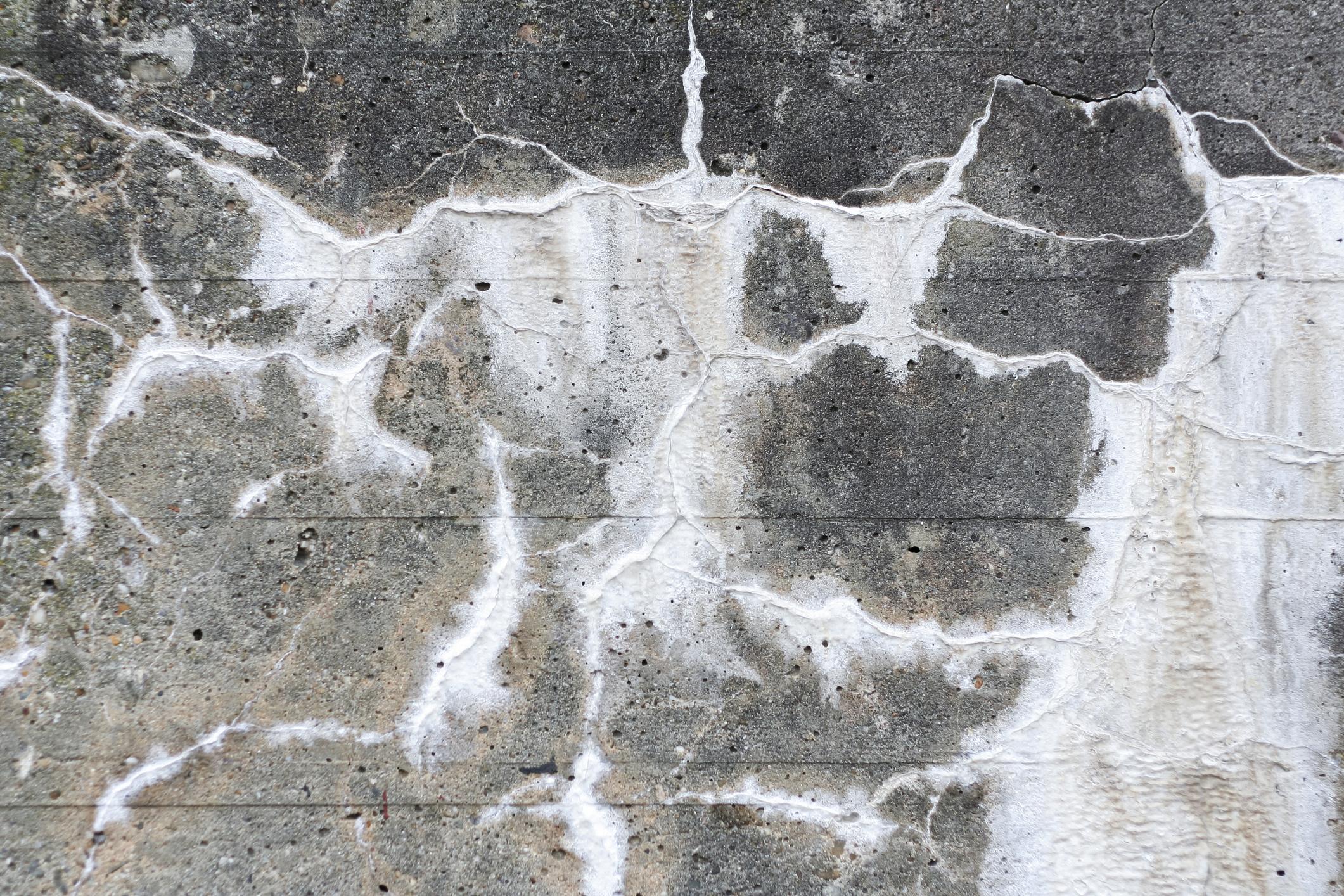
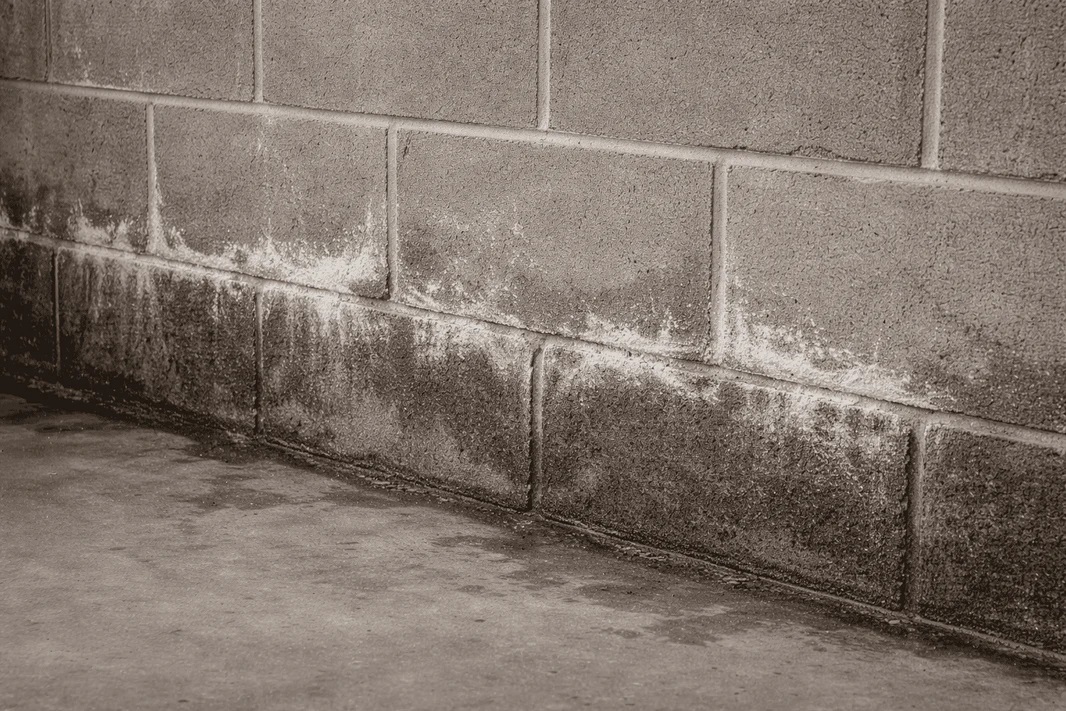
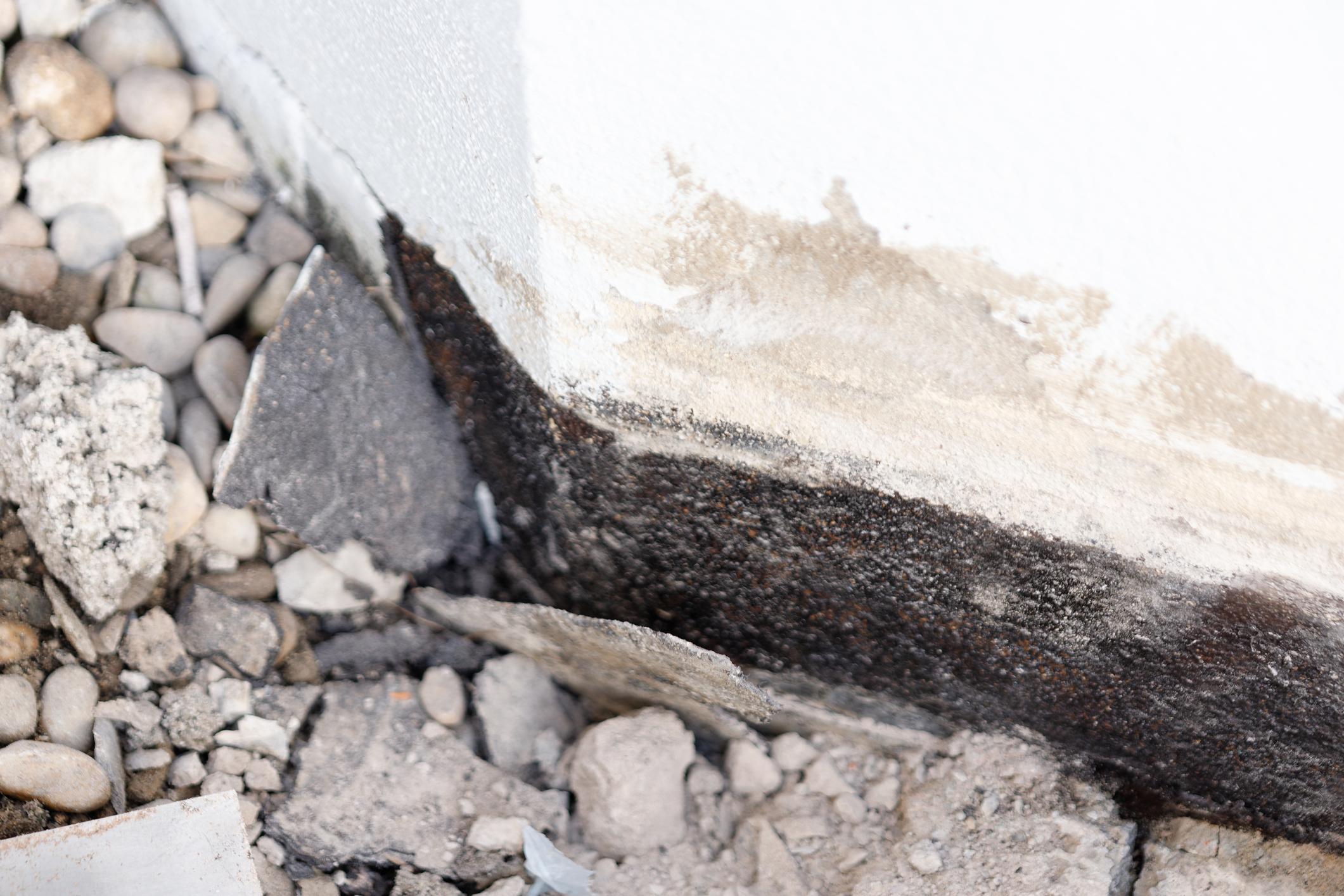
One of the most misunderstood causes of indoor mold growth in homes is vapor intrusion through concrete slabs and masonry foundation walls. Homeowners frequently assume that visible white deposits on basement walls indicate mold. In reality, this substance is typically efflorescence, a mineral residue left behind as moisture migrates through porous building materials like concrete and block.
While efflorescence itself is not mold and does not pose a biological hazard, it is an important indicator that moisture vapor is moving through the building envelope. This vapor movement increases indoor humidity and can create conditions favorable for mold growth on nearby organic materials such as framing, drywall, flooring, and stored contents.
Understanding how vapor intrusion works—and how to prevent it—is critical to controlling mold growth in buildings.
Efflorescence: A Sign of Moisture Movement, Not Mold
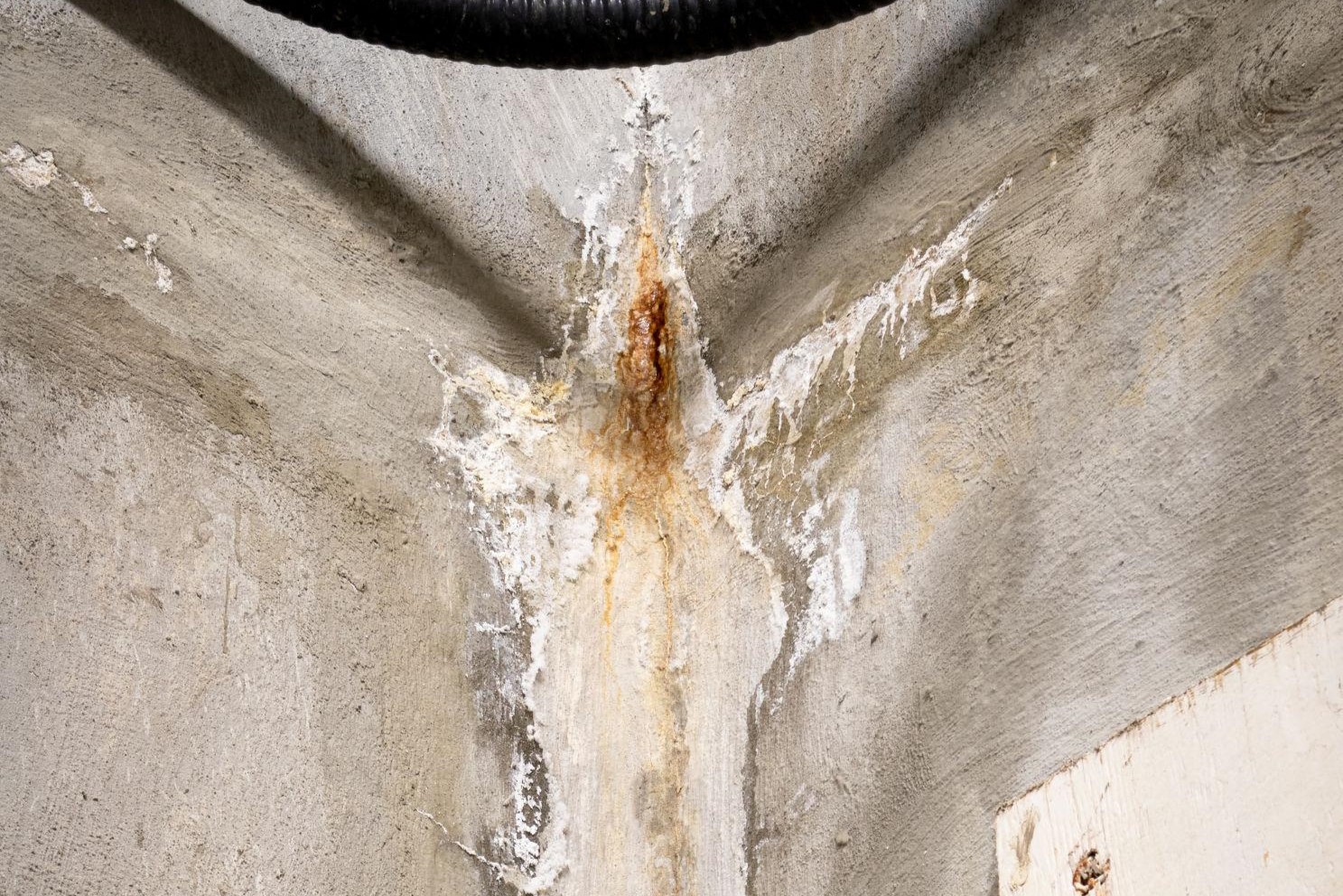
Efflorescence forms when water dissolves naturally occurring salts within concrete, mortar, or masonry. As the moisture migrates to the surface and evaporates, it leaves behind crystalline mineral deposits.
Typical characteristics of efflorescence include:
- White, chalky or powder-like deposits
- Crystalline residue on concrete or masonry surfaces
- Appears on basement walls, crawlspace walls, and slabs
- Often returns after cleaning if moisture intrusion continues
Efflorescence is a diagnostic indicator of vapor movement, not microbial growth. However, the same moisture driving efflorescence can contribute to indoor humidity levels that support mold growth elsewhere.
Vapor Pressure and Moisture Migration
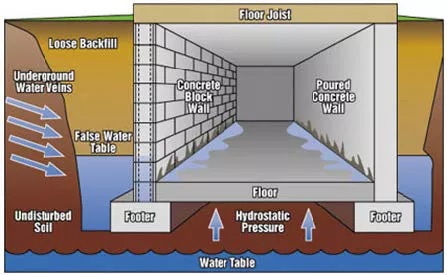
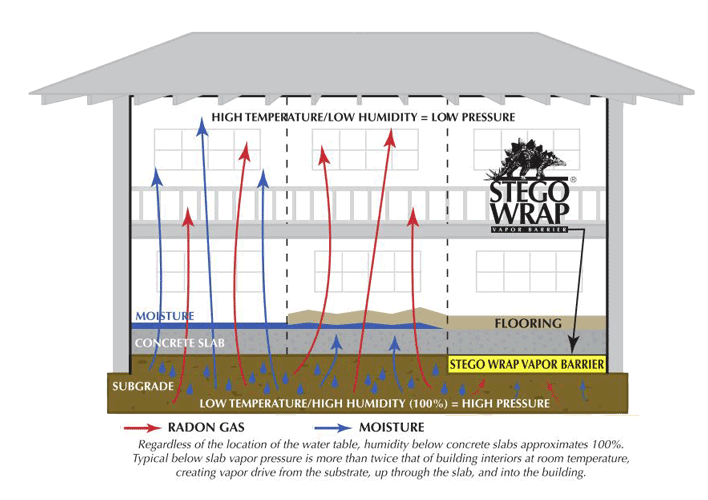
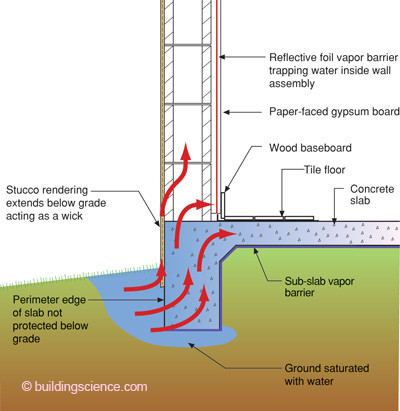
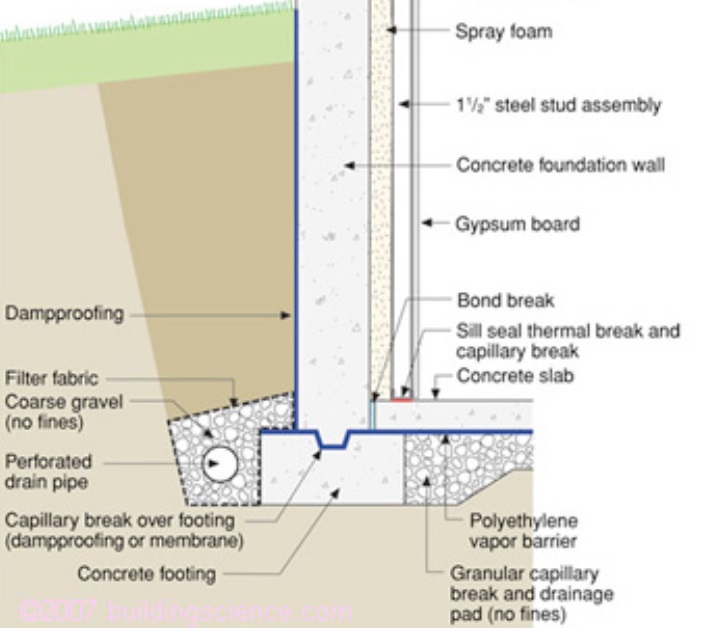
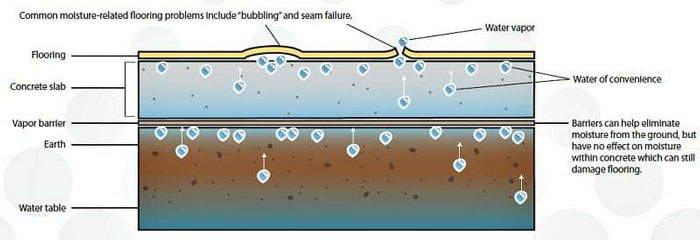
Concrete and masonry are porous materials, meaning they allow moisture to move through them in vapor or liquid form.
Several mechanisms drive this movement:
1. Vapor Pressure Differential
Moisture vapor moves from areas of higher vapor pressure to lower vapor pressure. In many regions, the soil beneath and around a foundation contains higher moisture levels than the interior of a home. This pressure difference drives vapor through slabs and walls.
2. Capillary Action
Concrete can act like a sponge. Water moves through microscopic pores via capillary forces, similar to how water moves through soil.
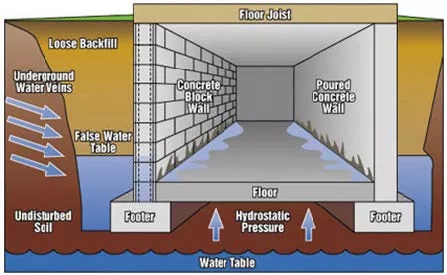
3. Hydrostatic Pressure
When groundwater levels rise, hydrostatic pressure pushes water and vapor through cracks, joints, and porous materials in foundation walls and slabs.
How Vapor Intrusion Leads to Mold Growth
It is important to distinguish between bulk water leaks and chronic vapor intrusion.
Most mold growth in basements is not caused by visible water leaks, but rather by long-term elevated humidity caused by vapor migration.
When moisture vapor enters the building:
- Indoor humidity increases.
- Moisture condenses on cooler surfaces.
- Organic materials absorb moisture.
- Mold growth begins when relative humidity exceeds roughly 60% for extended periods.
This explains why mold often appears on:
- Wood framing
- Drywall
- Carpet backing
- Dust on surfaces
- Furniture and stored contents
The moisture source is often the foundation itself, even when no liquid water is visible.
Trapped Moisture and Hidden Mold Growth
A major contributor to hidden mold growth is vapor barriers placed on top of concrete slabs.
While these materials are often installed for durability or comfort, they can create an unintended moisture trap.
Vinyl Flooring Over Concrete
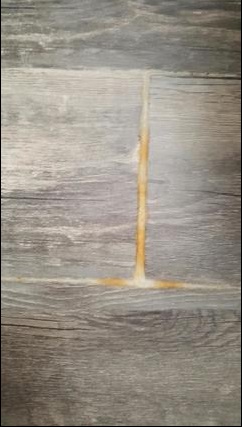
Vinyl plank, sheet vinyl, and similar impermeable flooring materials prevent moisture from evaporating from the slab. When vapor rises through the concrete, it becomes trapped between:
- The concrete slab
- The vinyl flooring material
This creates a high-humidity microenvironment where mold can grow on:
- Flooring adhesives
- Dust and debris
- The backing of flooring materials
For this reason, moisture testing of slabs is critical before installing impermeable flooring.
Gym Mats and Rubber Flooring
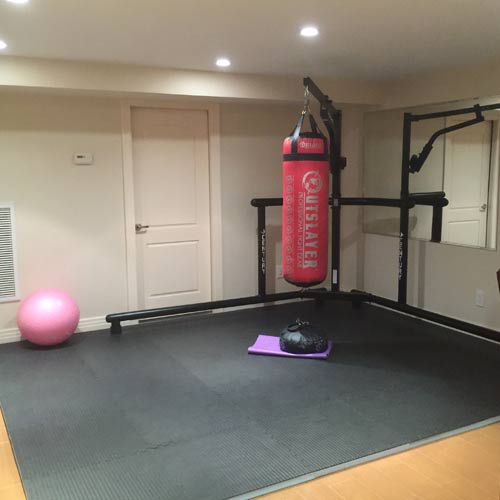
Another common location for mold growth is under rubber gym mats placed on basement floors. These mats act as vapor barriers, trapping moisture and allowing mold to develop beneath them even when the floor appears dry.
Soil Conditions and Groundwater Influence
Vapor intrusion is often influenced by local soil and groundwater conditions.
Certain soil types hold more moisture and contribute to higher vapor pressure beneath foundations.
Examples include:
- Clay soils (retain water and drain poorly)
- Silt-heavy soils
- Areas with elevated groundwater tables
- Regions with frequent precipitation
Homes built in these conditions may experience persistent vapor migration even when exterior drainage appears adequate.
Exterior Causes of Vapor Intrusion
Many vapor intrusion problems originate outside the building.
Common contributing factors include:
Improper Grading
Soil that slopes toward the house directs water toward the foundation, increasing moisture around walls and slabs.
Poor Gutter and Downspout Management
Roof runoff can deposit thousands of gallons of water near a foundation annually if downspouts discharge too close to the structure.
Inadequate Drainage Systems
Missing or clogged footing drains can allow groundwater to accumulate around foundations.
Correcting these exterior issues is often the most effective long-term moisture control strategy.
Corrective and Preventative Measures
Addressing vapor intrusion requires a combination of exterior drainage control and interior moisture management.
Exterior Solutions
- Regrading soil to slope away from the foundation
- Extending downspouts at least 6–10 feet from the home
- Installing or repairing footing drains
- Managing surface water runoff
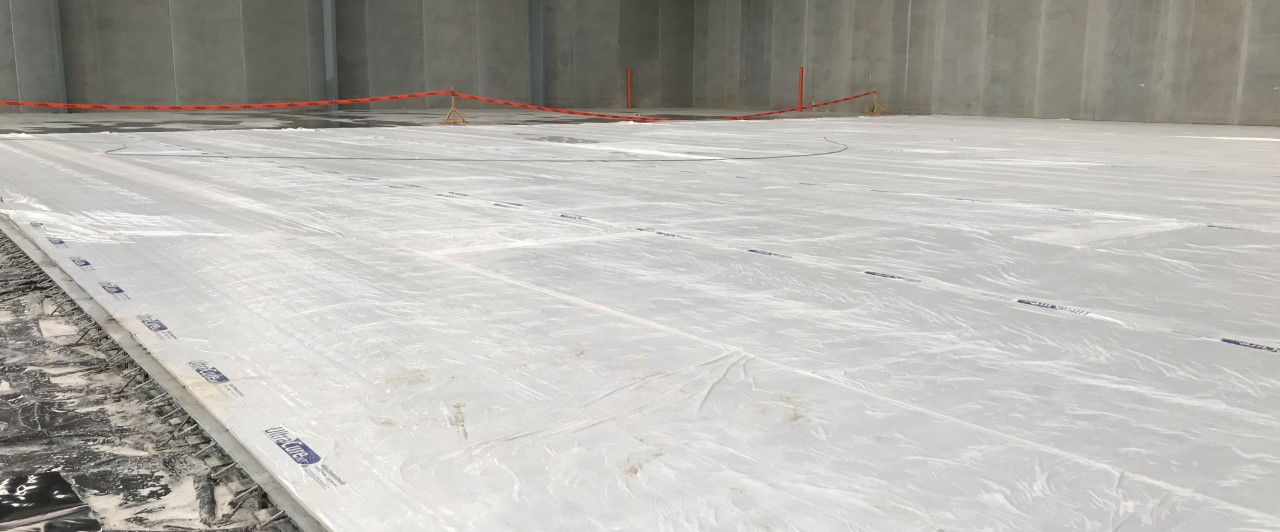
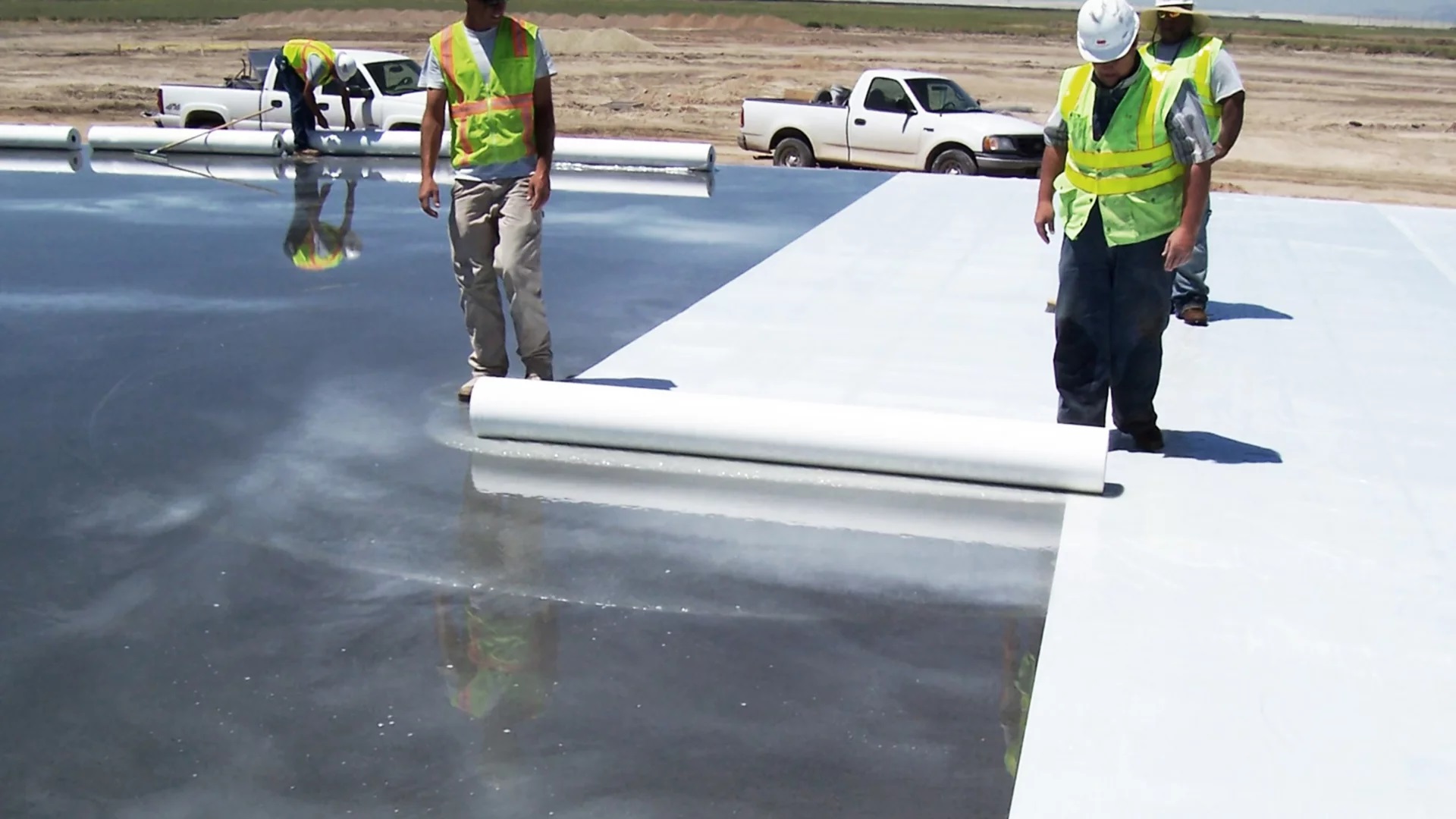
- Installing foundation waterproofing membranes during construction
Interior Solutions
- Installing dehumidifiers to maintain relative humidity below 50–55%
- Improving basement ventilation
- Using vapor-permeable flooring systems
- Installing subfloor systems that allow airflow
- Sealing cracks in foundation walls and slabs
New Concrete Slabs: Moisture and Drying Time
Another often overlooked issue is the drying time of new concrete slabs.
Concrete contains a large amount of water during placement. Even after curing, this moisture must slowly evaporate from the slab.
A common rule of thumb used in construction is:
Concrete dries approximately one inch per month under ideal conditions.
This means:
- A 4-inch slab may require 4 months or more to dry sufficiently.
- Environmental factors like humidity and temperature can significantly extend drying times.
Installing impermeable flooring too early can trap this moisture and create conditions for microbial growth beneath flooring materials.
For this reason, industry standards recommend moisture testing of concrete slabs before installing flooring systems.
Conclusion
Efflorescence on basement walls is often misunderstood as mold, but it is actually evidence of moisture vapor moving through foundation materials. While the mineral deposits themselves are harmless, they indicate conditions that can lead to elevated indoor humidity and mold growth.
Vapor intrusion through slabs and foundation walls is one of the most common and overlooked contributors to mold problems in homes, particularly in basements.
Effective prevention requires addressing both exterior moisture sources and interior humidity control. Proper grading, drainage, and ventilation—combined with careful material selection—can significantly reduce the risk of mold growth associated with vapor intrusion.
Understanding these mechanisms allows homeowners, builders, and remediation professionals to move beyond surface symptoms and address the true source of moisture problems in buildings.